Your body is precious because it contains your only chance at life; thus, protecting your body against future health risks should be number one on your list of priorities. The best method for evaluating the health of your gastrointestinal (GI) tract will be with the use of a colonoscope; no other testing method provides such detailed and thorough evaluation of your GI tract as a colonoscopy.
If you want to find a location to begin your diagnostic testing, your first consideration should be the quality and comfort of the facility you choose. At Mahajan Imaging & Labs, we provide you with advanced equipment and a caring staff so that your screening will not only be easy but also give you the information you need as soon as possible.
What is a Colonoscopy and How Does It Detect Cancer?
A colonoscopy is a distinct method of inspecting the inner side of the colon and rectum (large intestine). It involves using a long, flexible and thin device called a colonoscope, which has a high-definition camera and monitor to allow the doctor to view the entire length of the colon.
The main purpose is to look for things that are problematic, such as inflammation, ulcers and polyps (small lumps). Many colon cancers occur due to the presence of polyps, therefore, the majority could be prevented from forming by finding and removing polyps during a colonoscopy.
How Does the Biopsy Process Work During a Colonoscopy?
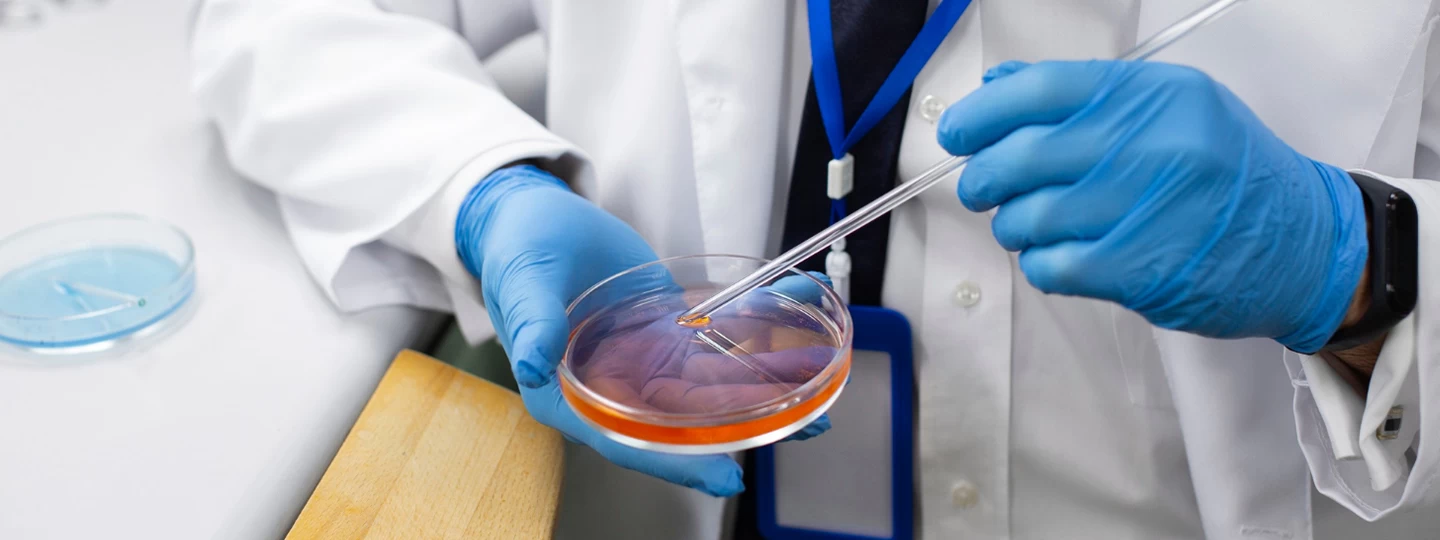
If concerns arise during the procedure, a biopsy may be performed by removing a small piece of tissue for clinical lab tests to determine whether the tissue contains cancerous cells, how quickly the cancer is multiplying, and which genetic markers are present in the cancerous cells. The surgical instruments used by the physician enable the physician to accomplish this without performing a separate surgery. For your healthcare team, the results of the pathological examination of your biopsy are critical for understanding your prognosis and developing a customized treatment plan for you.
Blood Tests and Health Monitoring
Tests, while not a direct method for diagnosing colon cancer, are critical for verifying your overall health and assessing the disease.
Evaluation of your kidney and liver function is an important part of starting treatment.
Blood tests can detect low red blood cell counts, suggesting a cancerous tumor may be causing internal bleeding.
Certain types of colon cancer produce a protein called carcinoembryonic antigen (CEA). Monitoring CEA levels over time helps doctors determine whether a treatment has been effective or if the cancer has returned after surgery.
For many people, receiving a blood collection from home service eliminates having to travel to multiple locations to coordinate their diagnostic testing.
Comparing Diagnostic Tools for Colon Health
When looking at diagnostic options for gastrointestinal (GI) health, one of the most unique categories of procedures is the dual-purpose of a colonoscopy. This specific testing method serves two main purposes: to visualize and clean the colon and to remove polyps that could stop cancer before it develops (colonoscopy is therefore considered both diagnostic and preventive). The biopsy is performed during the colonoscopy specifically to confirm the malignancy of a tissue sample; however, it is not a preventive procedure, as it is purely a method for determining the nature of any existing abnormal growths.
Similar to the previous examples, blood tests (such as the carcinoembryonic antigen (CEA) test and a Complete Blood Count (CBC) test) have different purposes than those of a colonoscopy or biopsy. Blood tests can assess your overall health and help identify possible cancer recurrence. Blood tests are essentially non-invasive tests that cannot provide diagnostic or preventive help for cancer, but do provide valuable information to help make long-term management decisions. Although colonoscopy is classified as a minimally invasive procedure (because it requires sedation), it represents a much greater degree of intervention than a laboratory biopsy.
Essential Components of a Full Body Check Up
Screening does not only require the evaluation of a single organ system; an overall health effort should be conducted via a 'Whole Body Examination' with corresponding testing, including:
A Complete Blood Count (CBC) will help identify potential infectious processes and/or anaemia.
Evaluation of the liver and kidneys will provide information about metabolic health.
A lipid profile will help assess cardiovascular (heart) health.
The use of blood tests to assess blood glucose levels (HbA1C) will help with the early detection of diabetes.
Evaluation of organ structures with imaging methods such as ultrasound and X-ray will provide information about both internal and external organ systems.
Why Early Detection is the Key to Survival
If detected early, colon cancer is very treatable; people can even be cured! The problem is that there are no signs of polyps (which lead to colon cancer) before they develop. Waiting for signs of disease, such as abdominal pain or changes in bowel habits, can lead to delayed diagnosis. A colonoscopy will allow the physician to begin treating polyps before symptoms develop.
Take Control of Your Health with Mahajan Imaging & Labs
Avoid endangering your health by relying solely on luck. Mahajan Imaging & Labs provides you with expert care based on exactly what kind of service you require, such as a complete colonoscopy, a particular biopsy study, or an entire body check up tests list. We really value how little time you have, therefore we make sure our home blood draw appointments and cutting-edge facilities at the nearest pathology lab are able to accommodate your needs.
FAQ,s
How can I find the nearest pathology lab for a screening?
You can easily locate our centers using our online portal to book an appointment at the most convenient nearest pathology lab for your needs.
Is blood collection from home available for colon health monitoring?
Yes, we offer professional blood collection from home to help you track CEA levels and general health without leaving your house.
What is included in a full body check up tests list?
Our full body check up tests list covers everything from CBC and blood sugar to liver, kidney, and lipid profiles for a 360-degree health assessment.


-1784264830.webp)
-1784177063.webp)
-1784009241.webp)
-1783922228.webp)