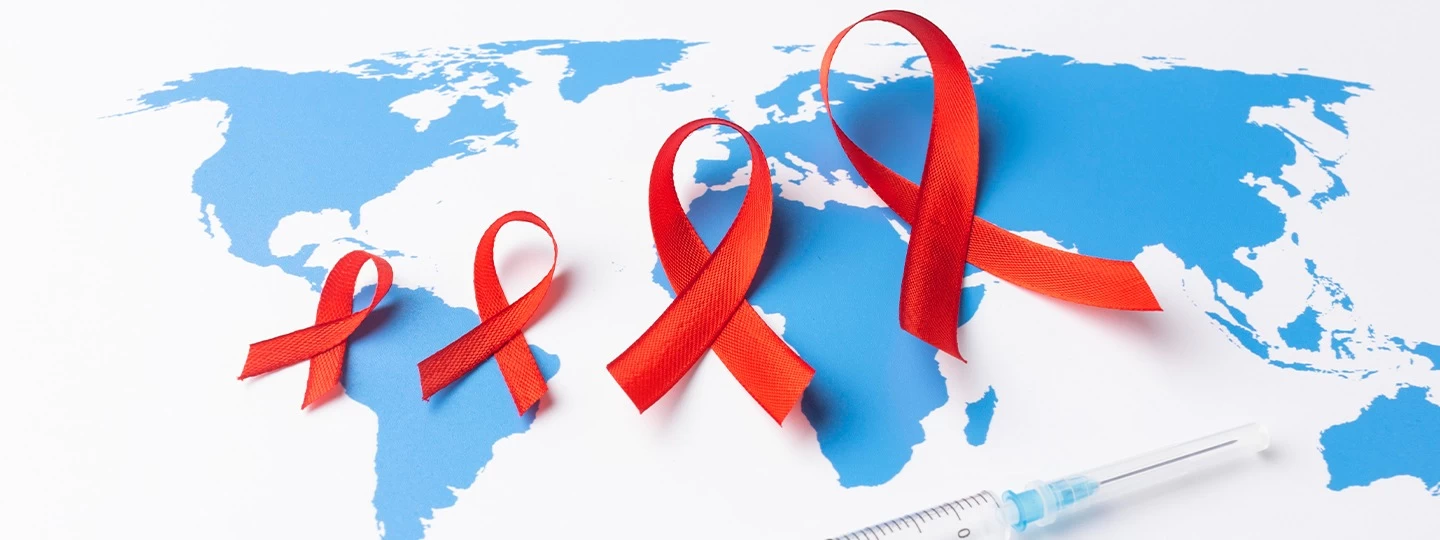
Your health is, hands down, your greatest wealth. And stepping up your health knowledge is actually the first step on the road to a long and dynamic life. So, on National Women and Girls HIV/AIDS Awareness Day 2026, let's really focus on the fact that doing an HIV test is not just an act of power but also an act of love for oneself. Now, if it's your general checkups or something more specific like a screening you are after, a simple search for the best pathology lab near me will lead you to a place where not only are the results very accurate, but the staff is also very caring. Doing your body a favor now means saving it for later, and that's also a way to stay connected with your loved ones through good health, right?
Why is National Women and Girls HIV/AIDS Awareness Day Important in 2026?
More than half of the world's population living with HIV are females. However, in many cases, HIV is mistakenly considered a disease mainly affecting other groups. As a result of this misunderstanding, many women and girls, especially in those locations where the risk is high, remain unaware of their possible exposure to the disease.
The main theme for the 2026 awareness day is to break the silence and to focus on how biological, social, and institutional factors lead to high infection rates. Informing women about how to protect themselves, where to get tested, and what treatment options are available today is a step towards healthcare equity.
How Do Biological Factors Increase HIV Risk for Women?
Biology is an important factor in transmission. For instance, the female reproductive tract is a large mucosal surface area, which raises the possibility of an "entry point" to viruses during warm contact without a condom. Also:
Potential of Tissue: Cervical tissue from young girls, especially teenagers, is not fully mature, so their susceptibility to infection is high.
Contribution of STIs: Other sexually transmitted infections (STIs), such as herpes, gonorrhea, or chlamydia, can erode the mucosal lining. In fact, it is a very high factor for the increase of HIV transmission after treatment is delayed/unavailable.
Hidden Symptoms: Women more often have STIs that do not exhibit symptoms, which means that they can remain ignorant of their increased susceptibility for HIV for a long time.
What Social and Environmental Challenges Impact Women’s Health?
Social factors are frequently more influential than biological risks. Issues like partner violence, economic dependence, and very different ages in couple relationships may restrict a woman from insisting on condom use or attending a doctor. Condom use or medical care changes are hardly achievable if the power imbalance is ignored by those responsible for prevention. Knowing about these dangers is the first step toward seeking help and visiting the doctor regularly through full health packages.
Understanding the "Window Period" and Accuracy in HIV Testing
When it comes to testing, timing really is the key. Thanks to advancements in medical technology nowadays the "window period", the gap between exposure and the time when the test can effectively detect the virus, has been greatly shortened. If you've come across a possible exposure, getting to a professional healthcare unit is key to your safety. Finding a competent diagnostic center near you will not only connect you with specialists but also help you choose the test that best suits your schedule.
Test Type | Reliability Period | Accuracy Rate |
Antigen-Antibody Test | From 18 days post-exposure | 99% at 45 days |
Antibody-Only Test | Longer window (varies) | High after 3 months |
Rapid Syphilis Test | Co-infection screening | High |
Take Control of Your Health Today
Keeping your health on the right track is making the choice of a reliable partner. Mahajan Imaging & Labs understands the importance of women's health. Therefore, we have developed comprehensive health plans tailored to women's specific needs.
Rapid Syphilis Test and HIV Screening by ELISA and Western Blot are among the many tests of this kind available to you after visiting us. Besides providing high-quality services as the best pathology lab near me, we also commit to protecting your privacy, using state-of-the-art equipment, and providing you with professional advice. Do not delay the onset of illness; your knowledge can be a great weapon.


-1784264830.webp)
-1784177063.webp)
-1784009241.webp)
-1783922228.webp)