Hemoglobin is an iron-containing protein found in red blood cells. These are responsible for transporting oxygen throughout the body. Low levels of hemoglobin may indicate anaemia. The condition causes a deficiency of oxygen in the body, which can be harmful. In India, over half of women of reproductive age (source - Ministry of Health and Family Welfare, 2025) are estimated to have anaemia, a condition that means lower haemoglobin levels in the blood and reduced oxygen-carrying capacity. That means many people will benefit from checking their blood via a hemogram test, and also supporting their bodies naturally. This blog walks you through which foods are best to boost haemoglobin, how to increase hemoglobin level and what to drink to increase haemoglobin.
What Are the Main Causes of Low Haemoglobin?
A low haemoglobin level may happen due to several reasons. Common causes include:
Iron deficiency due to poor dietary intake
Chronic blood loss from heavy periods or injury
Vitamin B12 or folate deficiency
Long-term illnesses that affect red blood cell production
Poor absorption from digestive tract disorders
A CBC test near me search often helps people understand if low values relate to nutritional gaps or other medical factors that need deeper evaluation.
What Are the Symptoms of Low Haemoglobin?
Low haemoglobin may show up through:
Exhaustion and breathlessness on simple tasks
Constant tiredness or lack of focus
Pale skin, brittle nails or hair fall
Headaches or dizziness
Rapid heartbeat or chest heaviness in severe cases
If symptoms persist, people usually book tests through pathlabs near me and consult doctors for proper medical guidance.
Foods that increase hemoglobin naturally
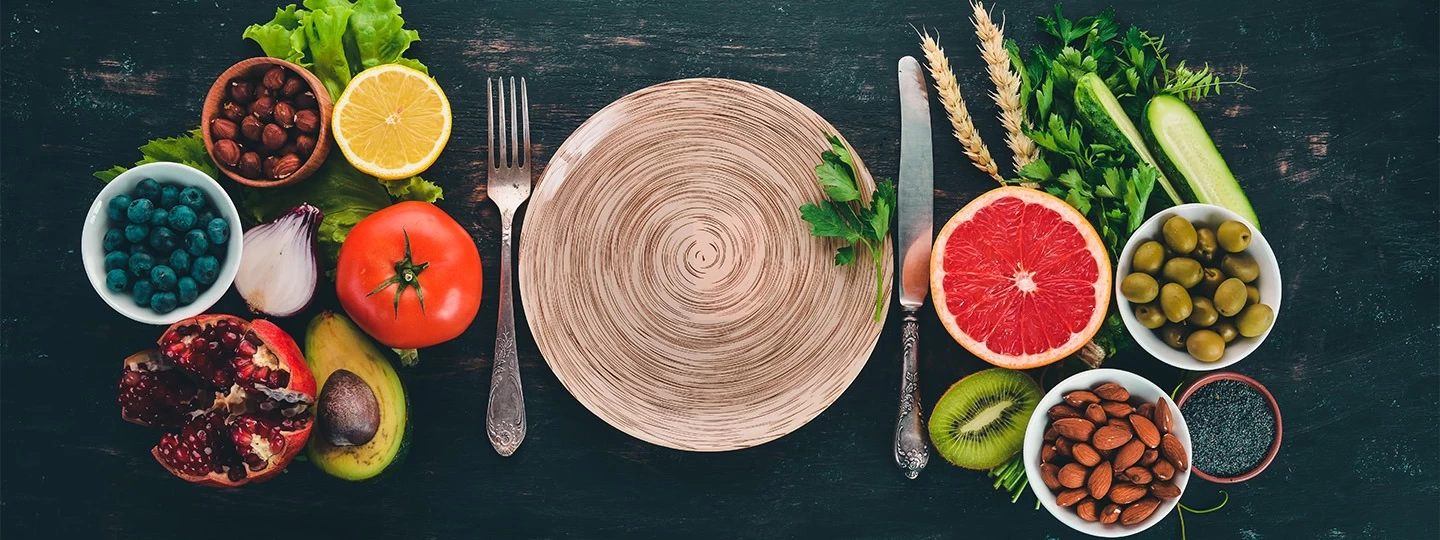
A nutrient-rich diet plays a strong role in restoring healthy levels. Here is a helpful list of haemoglobin rich food options that support red blood cell formation:
Best Food to Increase Haemoglobin
Spinach
Beetroot
Pomegranate
Dates and raisins
Brown rice
Jaggery
Whole pulses
Lean meats
Eggs
Fish like salmon
Top Vegetables to Increase Haemoglobin
Drumstick leaves
Broccoli
Kale
Sweet potato
Pumpkin
What Are the Differences Between Iron, B12 and Folate Rich Foods?
Different nutrients support blood cell production in unique ways. Both iron and vitamins are needed for strong haemoglobin levels. The table below clarifies the function and examples.
Nutrient | Role | Food Sources | Deficiency Effect |
Iron | Helps haemoglobin formation | Spinach, beetroot, jaggery, eggs, fish | Tiredness, breathlessness, pale skin |
Vitamin B12 | Supports red cell production | Eggs, dairy, meat, fortified cereals | Numbness, memory problems |
Folate | Helps cell growth | Beans, nuts, whole grains, greens | Weakness, irregular heartbeats |
What to Drink to Increase Haemoglobin?
Hydration supports better blood volume. Certain drinks help iron absorption and natural energy:
Beetroot juice
Wheatgrass juice
Orange or amla juice
Pomegranate juice
Warm water with jaggery
How to Increase Haemoglobin Level Quickly?
Progress often depends on the reason behind low levels. Diet alone may support mild deficiency, while severe cases need medical treatment. Still, these steps may help improvement:
Include food to increase blood every day
Pair iron-rich foods with Vitamin C for better absorption
Avoid tea or coffee right after meals, as they block iron absorption
Focus on weekly meal planning instead of sudden diet changes
Address heavy menstrual bleeding or chronic fatigue medically
When Should You Consider Medical Evaluation?
Food helps, but testing guides the right direction. People often consider checking levels before they increase supplements. A full body health checkup in Delhi supports better decisions when symptoms continue. Testing will confirm whether diet, supplements or treatment is required. You may get tested when:
Fatigue lasts more than two weeks
Frequent dizziness or shortness of breath occurs
There is a history of heavy periods or chronic illness
Diet changes have not improved symptoms
A hemogram test will show haemoglobin values along with other red blood cell parameters. It remains one of the simplest ways to understand underlying causes and plan improvements confidently.
Get Accurate Haemoglobin Testing at Mahajan Imaging & Labs!
Low haemoglobin needs attention, but it can improve with proper nutrition and medical insight. Balanced meals, timely rest, and guided testing help maintain energy and strong immunity. If symptoms persist or numbers stay low, testing will help identify the right care approach.
We believe clarity will change the way you manage your health. Book your tests with confidence and access expert guidance every step of the way at Mahajan Imaging & Labs, where precision technology and experienced professionals support your full health journey!
Also read: What Is the Hemogram Test Price at Mahajan Imaging & Labs, and What Affects It?
Related FAQs:
What are the main causes of low hemoglobin levels?
Low hemoglobin commonly results from iron deficiency due to poor diet, chronic blood loss (like heavy periods), or a deficiency in Vitamin B12 or folate. Other factors include long-term illnesses that affect red blood cell production or poor nutrient absorption from digestive tract disorders.
Which foods and drinks are best to boost hemoglobin naturally?
To naturally boost hemoglobin, focus on iron-rich foods like spinach, beetroot, dates, jaggery, and lean meats. Pair these with Vitamin C-rich drinks for better absorption, such as orange or amla juice, pomegranate juice, and beetroot juice.
When should someone consider getting a medical evaluation for low hemoglobin?
You should consider a medical checkup and testing if fatigue lasts more than two weeks, you experience frequent dizziness or shortness of breath, or if you have a history of heavy periods or chronic illness. Testing is necessary if diet changes alone have not improved your symptoms.


-1784264830.webp)
-1784177063.webp)
-1784009241.webp)
-1783922228.webp)