Please be aware that Mahajan Imaging & Labs will never request for your bank details or OTP for booking/registration purposes.


- Email Us
Connect With Us


-1791545112.webp)
A sudden disruption in brain health can transform an ordinary afternoon into a life-threatening emergency within mere moments. When blood circulation to a section of the brain becomes blocked or restricted, critical brain cells are deprived of oxygen and begin to sustain damage rapidly. Recognizing the earliest indicators and understanding hidden biological vulnerabilities can dramatically alter health outcomes. Proactive health management, routine health checkups, and timely diagnostic tracking remain the most effective tools for protecting your brain and preserving essential bodily functions. Building awareness around early warning signs empowers families to act without hesitation when every single minute matters.
A stroke occurs when blood flow to vital brain tissue is suddenly interrupted or when a weakened arterial vessel ruptures unexpectedly inside the skull. Deprived of continuous oxygen and vital nutrients, delicate neural tissue begins to function improperly almost immediately. Most cases stem from arterial blockages caused by fatty buildup, arterial stiffness, or circulating blood clots that narrow critical pathways to the central nervous system. Getting a timely full health check up helps identify these underlying arterial risks long before acute symptoms ever develop. Alternatively, internal bleeding occurs when blood vessel walls burst due to unmanaged high blood pressure, structural vascular weaknesses, or untreated systemic conditions. Routine diagnostic monitoring remains the best defense against unexpected vascular emergencies.
Recognizing the sudden onset of physical warning signs remains the single most effective way to save lives during a cerebrovascular crisis. The globally recognized FAST guidelines provide a simple physical assessment that anyone can perform quickly.
Face drooping: Look closely to see if one side of the face sags, feels unusually numb, or appears uneven when attempting to smile.
Arm weakness: Ask the person to raise both arms simultaneously to check if one arm drifts downward involuntarily due to sudden muscle weakness.
Speech difficulty: Listen carefully for slurred words, garbled phrasing, confused speech, or an inability to repeat a simple basic sentence accurately.
Time to call: Seek immediate emergency medical transportation the exact moment any of these characteristic physical warning indicators are noticed.
Beyond the primary motor and speech indicators, several secondary physical symptoms frequently signal an ongoing brain vascular emergency.
Sudden numbness or total physical weakness localized entirely to one side of the body, particularly in the leg, arm, or face.
Unexpected mental confusion, severe difficulty understanding spoken conversation, or sudden trouble processing familiar surrounding details.
Sudden loss of vision, severe double vision, or dimming sight affecting one or both eyes without prior history.
An unusually intense, excruciating headache arriving abruptly without any identifiable cause or prior physical explanation.
Sudden loss of motor balance, unexplained dizziness, difficulty walking straight, or complete lack of physical coordination.
Certain chronic biological conditions directly increase the likelihood of developing arterial blockages or weakened blood vessels over time.
Uncontrolled high blood pressure constantly strains delicate arterial walls throughout the circulatory system, making them prone to rupture or narrowing.
Chronic elevated blood sugar damages blood vessels over time, accelerating fatty buildup and increasing susceptibility to internal clot formation.
High levels of unhealthy cholesterol contribute directly to plaque accumulation inside major arteries supplying blood to the brain.
Chronic stress, lack of sleep, and sedentary daily habits steadily degrade overall vascular flexibility and heart health.
Evaluating metabolic markers through a comprehensive full health check up allows individuals to identify hidden biological risks early and take corrective steps before cardiovascular complications arise.
Monitoring vital health indicators through routine lab work plays a pivotal role in preventing unexpected cerebrovascular and cardiac events.
A routine CBC Test evaluates overall blood health, identifying elevated cell counts, systemic inflammation, or clotting anomalies that affect circulation.
Monitoring long-term sugar management through an HbA1c blood test provides crucial insight into metabolic health and vascular protection.
Comprehensive preventative panels, such as the MIPL - Sehat First Health Package or MIPL - Care Plus, cover essential blood markers, liver and kidney functions, lipid profiles, and metabolic parameters to evaluate vascular safety.
Advanced diagnostic packages also integrate cardiac screening markers, bone health, and full organ evaluations to provide complete clarity on internal circulatory health.
Adopting proactive daily lifestyle adjustments drastically reduces systemic inflammation and protects overall blood vessel integrity throughout life.
Focus on a nutrient-rich dietary plan abundant in fresh vegetables, fiber-rich whole grains, lean proteins, and heart-healthy dietary fats.
Engage in regular daily physical activity, such as brisk walking, gentle swimming, or light aerobic exercises, to maintain healthy blood pressure.
Avoid all forms of tobacco use completely and limit alcohol consumption to shield delicate arterial walls from toxic inflammation.
Maintain a healthy body weight through consistent portion management and mindful, balanced daily nutrition choices.
Keep daily stress levels in check through proper resting sleep, relaxing mindfulness routines, and regular recreational breaks.
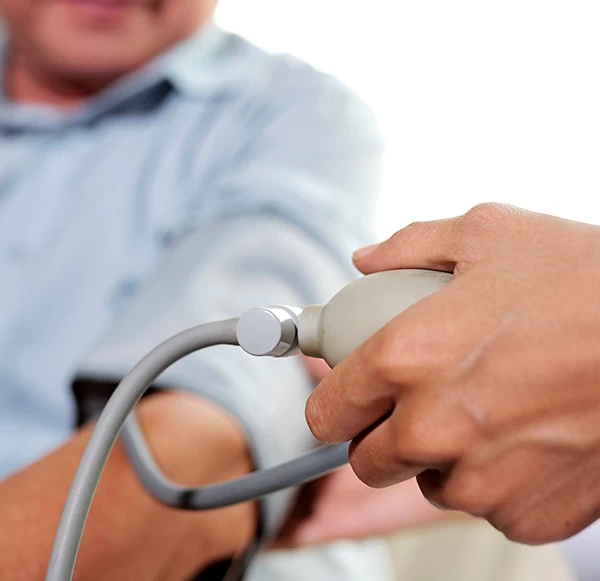
Effective management of underlying chronic illnesses ensures that blood vessels remain flexible, clear, and resilient against sudden arterial blockages. Individuals diagnosed with metabolic imbalances must stay diligent with prescribed lifestyle modifications, dietary restrictions, and routine clinical checkups. Consistently monitoring blood pressure readings at home helps prevent silent pressure spikes that damage delicate cerebral vessels. Furthermore, tracking blood sugar trends over time prevents persistent arterial hardening and protects overall circulation. Taking proactive control of baseline health parameters creates a strong biological defense against sudden cardiovascular and cerebrovascular events.
If you notice any early warning signs of a stroke in yourself or someone else, take immediate action to minimize potential brain damage:
Call emergency services immediately: Contact local emergency medical services right away instead of driving to the hospital or waiting to see if symptoms dissipate.
Note the onset time: Record the exact time the first symptoms appeared. This timing is critical for doctors determining eligibility for clot-busting treatments.
Keep the person calm and seated: Position them comfortably—preferably lying down on their side with their head slightly elevated—to support breathing and prevent falls.
Avoid giving food, drink, or medication: Do not offer water, food, or aspirin, as stroke-related swallowing impairment can cause choking or complicate clinical care.
Monitor vital signs until help arrives: Stay by their side, track changes in consciousness or speech, and be prepared to provide details to emergency responders.
Convenient home health testing options
Accessing routine diagnostic testing has become significantly easier, enabling families to stay on top of essential health evaluations without disrupting daily life. Utilizing home pickup facilities for convenient Blood collection from home ensures that busy professionals, elderly family members, and individuals tracking chronic health metrics can schedule essential routine health checkups with complete ease. Reliable diagnostic services allow families to track vital parameters seamlessly while maintaining routine preventive monitoring without unnecessary travel.
Accurate diagnostic testing remains essential for identifying cardiovascular risks early and preventing stroke. Facilitating reliable sample pickup like Blood collection from home ensures effortless routine monitoring for every family. At Mahajan Imaging & Labs, we are committed to supporting your long-term wellness with advanced diagnostics and patient care. Schedule your diagnostic health checkup with us at Mahajan Imaging & Labs today to safeguard your health.
FAQ’S
1. How does Mahajan Imaging & Labs help identify stroke risk factors early?
Mahajan Imaging & Labs provides comprehensive diagnostic blood tests to detect hidden metabolic and cardiovascular risks before complications arise.
2. Can I get a CBC Test at home through Mahajan Imaging & Labs?
Yes, Mahajan Imaging & Labs offers convenient home sample pickup services for routine tests like a CBC Test.
3. Why should I monitor my HbA1c blood test with Mahajan Imaging & Labs?
Tracking your HbA1c blood test with Mahajan Imaging & Labs helps manage long-term blood sugar levels to prevent vascular damage.
4. What health packages are available at Mahajan Imaging & Labs for stroke prevention?
Mahajan Imaging & Labs offers comprehensive preventative checkup options like the Sehat First Health Package and Care Plus to evaluate overall circulatory health.
5. How do I book a Blood collection from home with Mahajan Imaging & Labs?
You can easily schedule a home sample pickup directly through Mahajan Imaging & Labs to track your vital health parameters without leaving your house.
-1791785454.webp)
-1784264830.webp)
-1784177063.webp)