One should always take care of one's health, as it is a lifelong process, and what happens behind the scenes is sometimes the most vital work before you even experience a single symptom. Your kidneys are the body's silent filters, working day and night to keep your blood clean and your systems balanced. Kidney damage can often go unnoticed. It is a good idea to screen yourself early to catch any problems before they arise and keep your body as productive as possible.
What Is A Kidney Function Test?
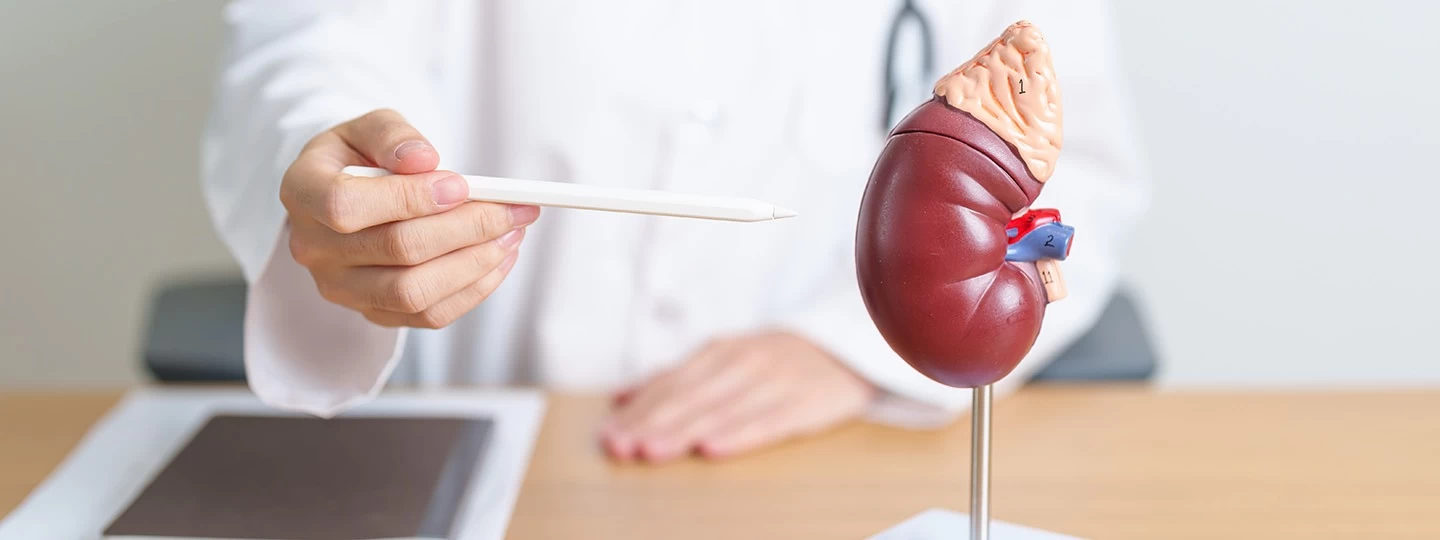
One way to be in control of your kidney health is through early diagnosis. Among the tests that can do that is the KFT test, which is the same as a Renal Function Test (RFT) or Kidney Profile. It is a combination of blood and urine tests that determines the condition of the kidneys. These renal organs filter toxins and excess water from the blood. Additionally, they regulate blood pressure and maintain proper mineral balance, such as sodium and potassium.
When the kidneys don't work well, waste products build up in the blood to harmful levels. This test measures the levels of certain substances, such as minerals, proteins, and electrolytes. If anything changes, the test can detect it very early. For the most precise results, lots of people find it convenient to have their routine checkups at Mahajan Imaging & Labs.
Why Should You Get The KFT Test Early?
One important fact many people don't know is that kidney disease may show no signs in its early stages. The damage may be advanced by the time you become tired, swollen, or even nauseated.
Routine screening is beneficial in several ways:
Key Parameters Measured In A KFT Test
A regular kidney panel tests for several different markers. Each of them can reveal new information about your renal health.
Here is a basic explanation of what these markers mean for your body:
Parameter | What it indicates |
Creatinine | A waste product from muscles; high levels suggest poor filtering. |
Blood Urea Nitrogen (BUN) | Measures urea, a waste product from protein breakdown. |
Uric Acid | High levels can lead to kidney stones or gout. |
Electrolytes | Includes Sodium, Potassium, and Chloride for fluid balance. |
Minerals | Healthy kidneys regulate calcium and Phosphorus levels. |
Ratios | BUN/Creatinine ratios help pinpoint the specific cause of issues. |
Who Needs To Find A Testing Lab?
It is all about accuracy when it comes to your internal health. When you search Google for "pathlabs near me," look for centres that can perform full kidney panels. A complete KFT examination provides a good indication of how your kidneys process waste.
Consistent testing is also important among people with diabetes or high blood pressure since these illnesses are the major causes of kidney damage. Long-term complications and life-threatening situations may be prevented by early diagnosis with the help of a simple blood draw. Early detection of these problems saves time and money and prevents poor health.
Plan Your Kidney Checkup Today
Your health is undoubtedly your greatest treasure, and a proactive testing approach is definitely the safest way to keep it. Selecting a trusted provider for your KFT test ensures you receive accurate results, helping you and your doctor make the best possible decisions.
If you are looking for the best Pathlabs near me, Mahajan Imaging & Labs offers an effortless testing experience focused on accuracy and patient care. Do not wait for symptoms such as swelling or tiredness to come. Schedule your screening session now and protect your kidneys.
Also Read: Full Body Checkup: The Smartest Investment in Your Health
FAQ’s:
1. What is the primary aim of the KFT test?
This test is used to determine whether your kidneys are effectively filtering waste and excess water from your blood, helping detect health issues at an early stage.
2. How frequently would I order a kidney profile?
Most healthy adults need to be tested annually, whereas people with diabetes or heart problems may need to be tested more frequently.
3. What would happen if my KFT test results were not normal?
The first thing you need to do is bring your report to a doctor and discuss whether you should make changes to your lifestyle or undergo additional medical care.
4. Does this test reveal kidney stones or infection?
Yes, the test can indicate the presence of stones or infections in their early stages by measuring the concentration of uric acid and other minerals.


-1784264830.webp)
-1784177063.webp)
-1784009241.webp)
-1783922228.webp)