Please be aware that Mahajan Imaging & Labs will never request for your bank details or OTP for booking/registration purposes.


- Email Us
Connect With Us



The Diwali season is a cherished time of light, family gatherings, and celebration, yet it also brings weeks of continuous culinary and lifestyle indulgence. Endless rounds of festive mithai, deep-fried snacks, late-night card parties, erratic sleep schedules, and the sudden onset of winter smog can quietly strain both your metabolism and your respiratory system. Once the lamps are put away and normal routines resume, experiencing lingering sluggishness, bloating, acidity, and unexplained fatigue is a clear signal that your body needs a proper reset.
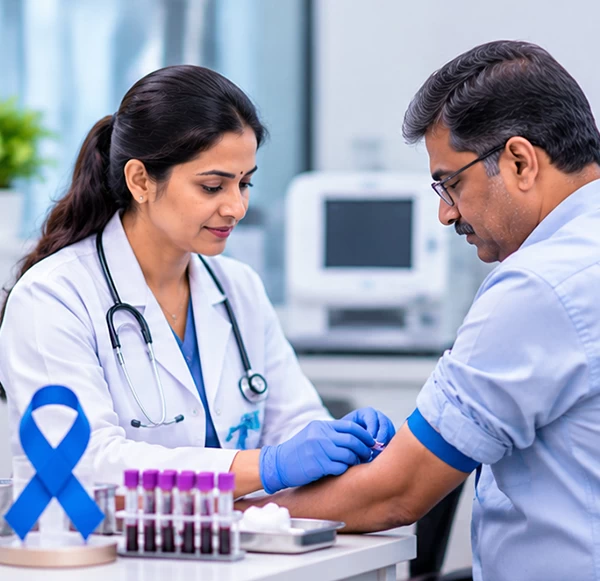
Scheduling a full health check up right after Diwali is one of the smartest steps you can take to evaluate how well your body handled the festive overload. A timely preventive screening catches subtle internal fluctuations early, helping you recalibrate your diet and lifestyle before temporary post-festive imbalances turn into long-term health concerns.
Why a Post-Festive Health Evaluation Matters?
During the festive weeks, sudden spikes in sugar, refined carbohydrates, and saturated fats can temporarily elevate blood glucose and cholesterol levels. At the same time, exposure to smoke, dust, and cooler weather can irritate the respiratory tract and trigger inflammation. Even if you feel relatively fine, many metabolic shifts occur silently without immediate outward symptoms.
A complete post-Diwali screening gives you a clear, objective baseline of your internal health so you and your doctor can make informed adjustments to your diet, hydration, and fitness habits.
Key Tests to Include in Your Post-Diwali Screening
1. Blood Sugar Profile (Fasting Blood Sugar & HbA1c)
Indulging in festive mithai, sugary drinks, and late-night meals makes your pancreas work overtime. Pairing a fasting blood glucose test with an HbA1c check gives you the complete picture—capturing both your post-celebration sugar levels and your three-month average. It’s a smart, proactive step, especially if diabetes runs in your family or you’ve been feeling unusually tired or thirsty lately.
2. Lipid Profile (Cholesterol & Triglycerides)
Deep-fried snacks and rich gravies are high in trans fats and saturated oils, which can raise triglycerides and LDL ("bad") cholesterol. A complete lipid profile measures total cholesterol, HDL, LDL, and triglyceride levels, offering critical insight into your cardiovascular health after weeks of indulgent eating.
3. Liver Function Test (LFT)
Your liver acts as the body's primary filtration and metabolic hub, working overtime during the holidays to process heavy foods, excess sugar, and festive beverages. An LFT checks essential liver enzymes and proteins to detect early signs of fatty liver changes, inflammation, or metabolic sluggishness.
4. Kidney Function Test (KFT) & Electrolytes
Dehydration, high sodium intake from savory snacks, and disrupted sleep routines can place subtle strain on your kidneys. A Kidney Function Test evaluates blood urea, creatinine, and electrolyte balance to ensure your body is filtering waste efficiently and maintaining proper hydration.
5. Complete Blood Count (CBC) & Inflammatory Markers
Seasonal weather transitions and post-Diwali air pollution often leave people vulnerable to respiratory irritation, allergies, and lingering infections. A CBC assesses your red blood cells, white blood cells, and platelets, helping identify signs of underlying infection, seasonal allergies, or nutritional deficiencies like anemia.
6. Thyroid Profile & Essential Vitamins (Vitamin D & B12)
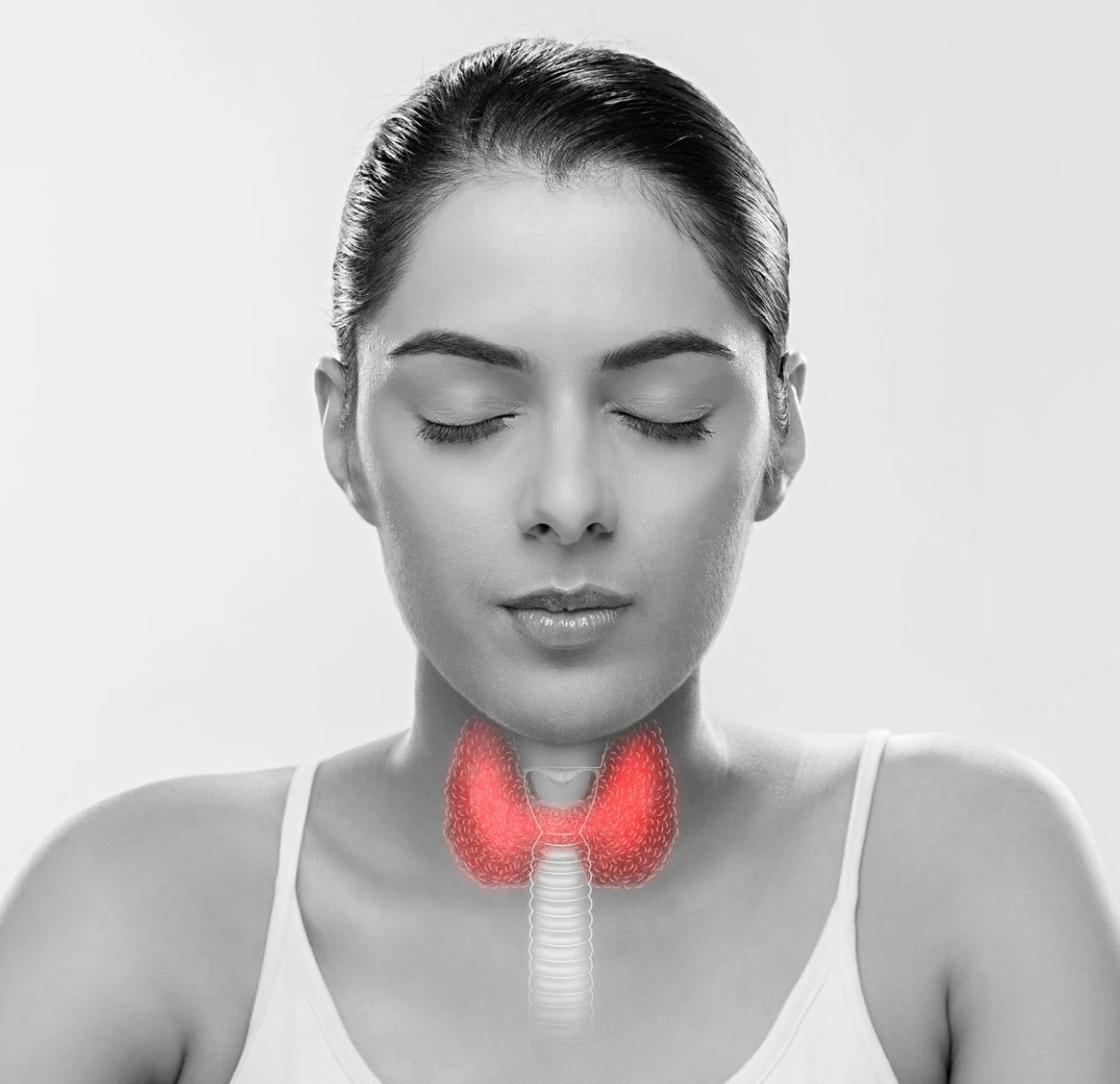
Chronic fatigue, weight fluctuations, and low energy after the holidays are not always caused by food alone. Including thyroid hormone checks alongside Vitamin D and Vitamin B12 levels helps rule out common nutritional and hormonal deficiencies as outdoor sunlight exposure decreases during the winter months.
Rather than booking isolated tests one by one, opting for an integrated preventive package saves time and ensures nothing important is overlooked. Depending on your location and convenience, you can explore curated health packages in Delhi that combine metabolic, cardiac, and organ-health screenings in a single visit.
For working professionals and families in neighboring hubs, scheduling a full body checkup Gurgaon or booking a convenient home sample collection for a full body blood test Noida at Mahajan Imaging & Labs allows you to complete your preventive evaluation seamlessly without disrupting your post-holiday work schedule.
FAQS
1. How soon after Diwali should I schedule a full health check-up?
Waiting about five to seven days after the festivities end allows your body to settle back into its normal routine so your test results reflect your true baseline health.
2. Is fasting necessary before taking a post-Diwali blood test?
Yes, an overnight fast of 8 to 12 hours (water allowed) is typically recommended for accurate blood sugar and lipid profile measurements.
3. Can seasonal air quality affect my post-Diwali test results?
Yes, exposure to smoke and particulate matter can trigger mild respiratory inflammation or elevate certain white blood cell markers evaluated in a complete blood count.
4. Are health packages Delhi suitable for young adults with no symptoms?
5. Can I book a full body blood test Noida or a full body checkup Gurgaon from home?
Yes, most accredited diagnostic centers offer trained phlebotomists for safe, hygienic early-morning home sample collection across the NCR region.