Please be aware that Mahajan Imaging & Labs will never request for your bank details or OTP for booking/registration purposes.


- Email Us
Connect With Us


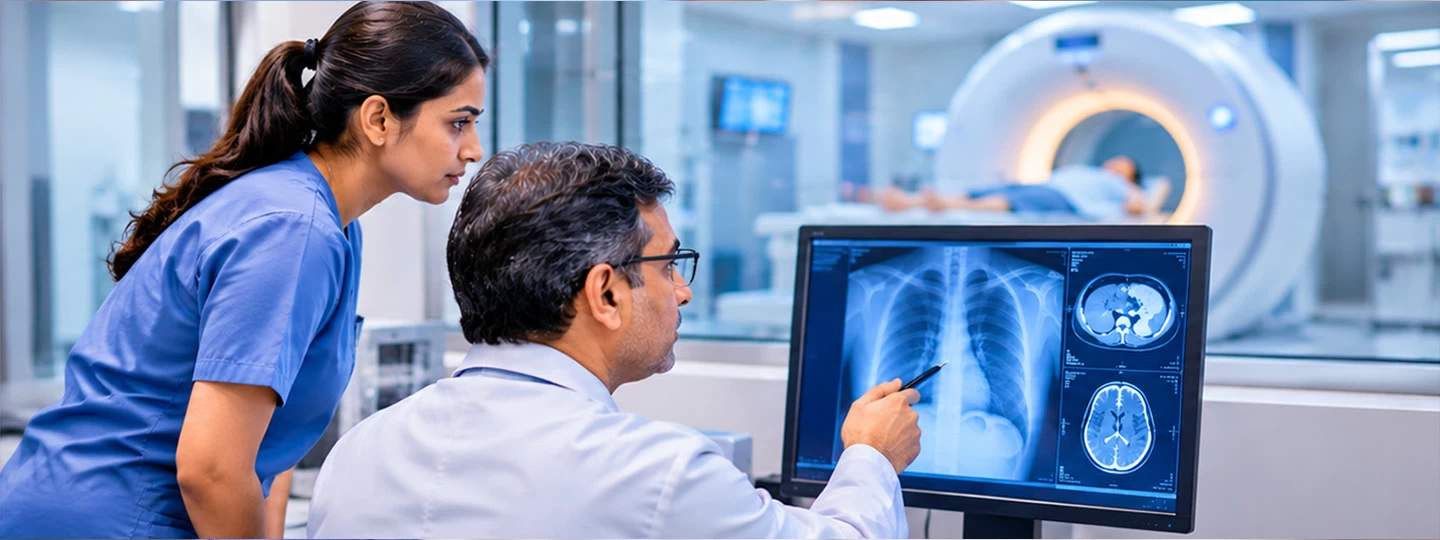
How can a doctor treat an illness without seeing inside the human body first? World Radiography Day marks the scientific breakthrough that lets specialists safely and painlessly examine internal organs, bones and soft tissues without surgery. Modern diagnostic imaging has completely transformed healthcare by turning clinical questions into clear visual evidence, empowering physicians to diagnose conditions accurately and guide timely treatments for patients everywhere.
Medical imaging acts as the eyes of modern medicine, giving specialists a non-invasive window into internal human anatomy. Before advanced scanning existed, doctors often relied on physical symptoms or exploratory surgery to understand what was happening inside a patient. Including these modern scans as part of a full health check up allows doctors to reveal tiny structural changes, hidden inflammation, and early cellular abnormalities long before they become severe. Early visualization leads to faster clinical decisions, targeted therapies, and far better recovery outcomes for individuals across every age group.
Radiology encompasses several specialized technologies, each designed to examine specific tissues and organs with remarkable clarity. Doctors select the right scan based on the patient's symptoms and the body area being evaluated.
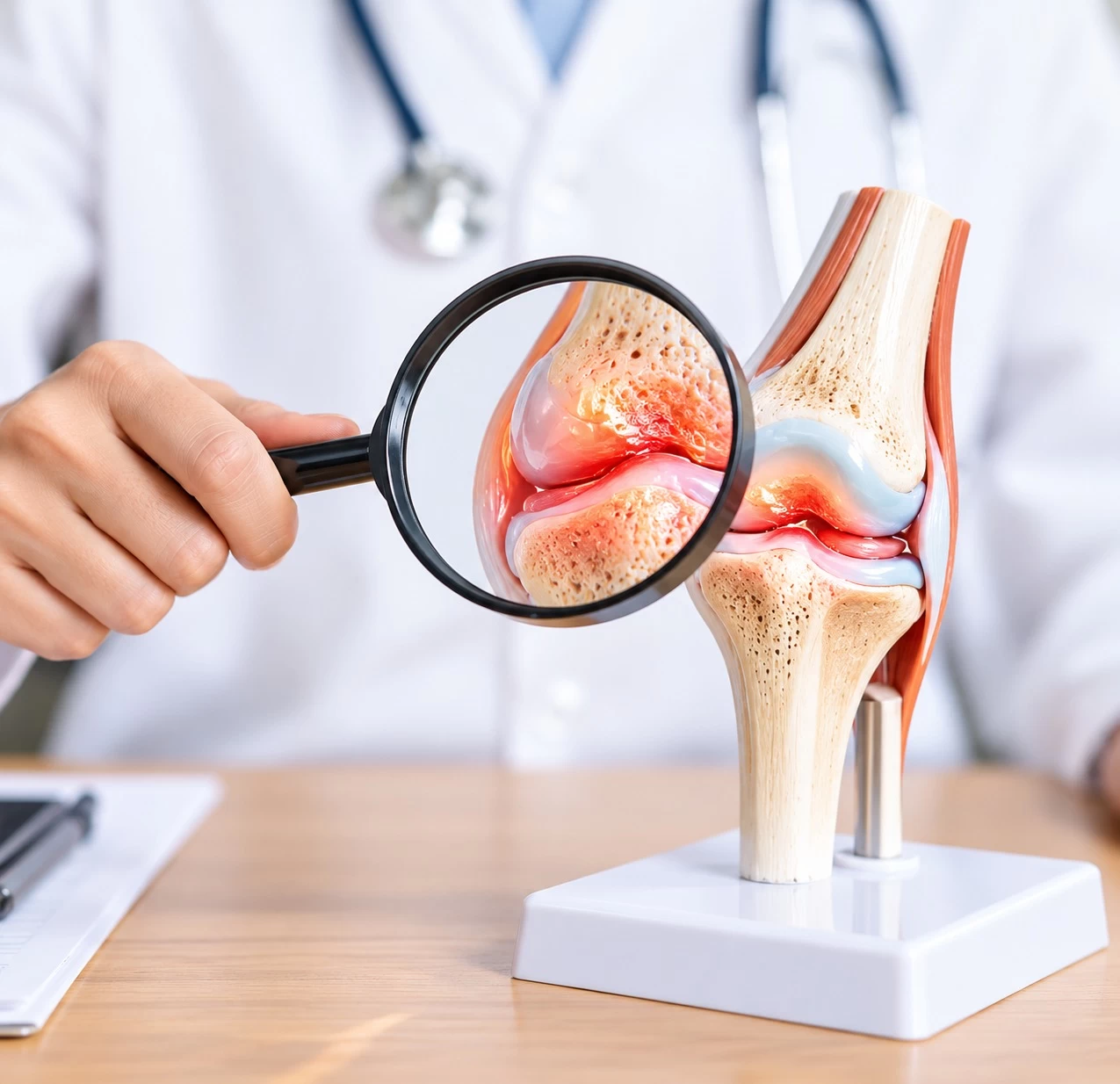
Digital X-Ray: Uses low-dose radiation to capture quick, clear images of bones, joints, and chest structures, helping detect fractures, infections, and lung conditions.
Ultrasound Imaging: Uses harmless high-frequency sound waves to create real-time images of soft tissues, abdominal organs, blood flow and fetal development without radiation.
Computed Tomography (CT Scan): Combines multiple X-ray views with computer processing to generate cross-sectional slices of internal organs, blood vessels, and complex injuries.
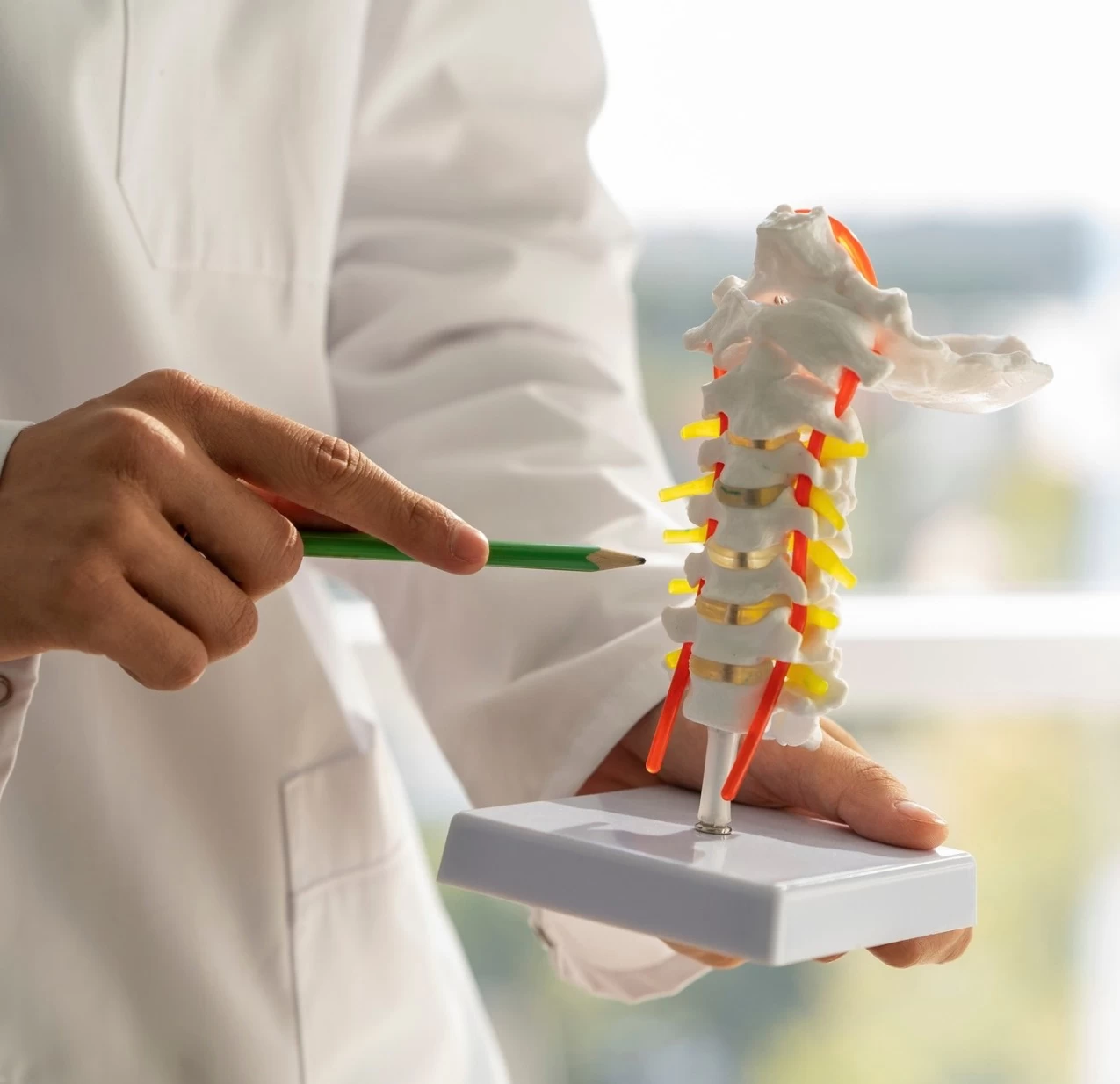
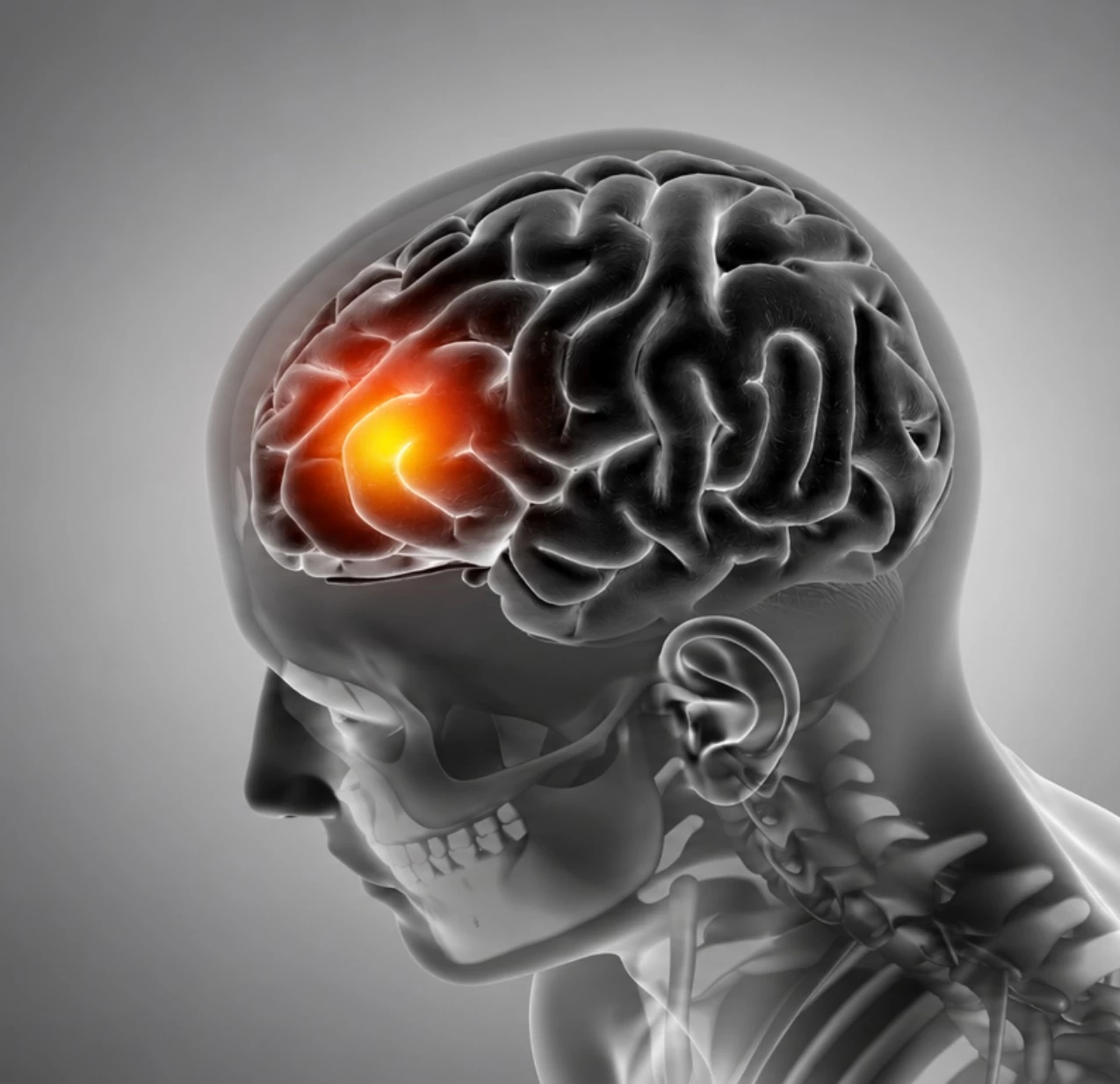
Magnetic Resonance Imaging (MRI): Uses strong magnetic fields and radio waves to produce highly detailed images of the brain, spine, joints and delicate soft tissues.
Digital Mammography: Provides specialized low-dose breast imaging to spot tiny tissue changes and micro-calcifications well before a lump can be felt physically.
PET-CT Imaging: Merges metabolic activity tracking with anatomical scanning to detect cellular changes, evaluate cardiac health, and monitor neurological disorders accurately.
Here is the updated table that explains what each imaging modality helps investigate in simple, medically accurate words, directly addressing the client's comment without repeating any keywords or adding numbers:
How Scans Detect Hidden Diseases
Diagnostic radiology goes far beyond checking for broken bones after an accident. Advanced imaging plays a vital role in uncovering silent internal conditions while they remain easily manageable. High-definition scans help physicians spot blocked coronary arteries, early-stage tumors, liver changes, kidney stones, and subtle neurological shifts before debilitating symptoms appear.
Visiting the best diagnostic centre in Gurgaon ensures that subtle internal abnormalities are captured using high-precision imaging machines and interpreted by experienced radiologists. Accurate scan reports give clinicians the reliable visual roadmap they need to confirm a diagnosis and start personalized treatment without unnecessary delay.
At Mahajan Imaging & Labs, we combine advanced radiology technology with compassionate clinical care to deliver clear, dependable diagnostic answers for every patient. Our dedicated team of sub-specialty radiologists focuses on precision, safety, and patient comfort so you can make confident decisions about your health.
Preventive healthcare relies heavily on combining laboratory evaluations with targeted radiological scans to assess overall wellness before illness strikes. Many chronic conditions, such as fatty liver, osteoporosis, and cardiovascular blockages, progress quietly for years without causing noticeable discomfort.
Including essential imaging alongside blood evaluations during a full health check up gives physicians a complete picture of both biochemical markers and internal organ health. Pairing routine ultrasound, chest imaging or bone density scans with blood panels helps individuals track age-related changes and make timely lifestyle or medical changes.
While doctors recommend targeted scans when specific symptoms arise, certain groups benefit greatly from scheduled radiological evaluations as part of ongoing preventive care.
Individuals with Family Medical History: People whose close relatives have experienced heart disease, stroke, osteoporosis, or specific cancers benefit from proactive baseline imaging.
Adults Experiencing Unexplained Symptoms: Persistent headaches, joint stiffness, abdominal discomfort, or ongoing fatigue often require internal imaging to pinpoint the exact root cause.
Seniors Monitoring Age-Related Changes: Routine bone density evaluations, cardiac assessments, and organ screenings help older adults maintain mobility and prevent sudden health complications.
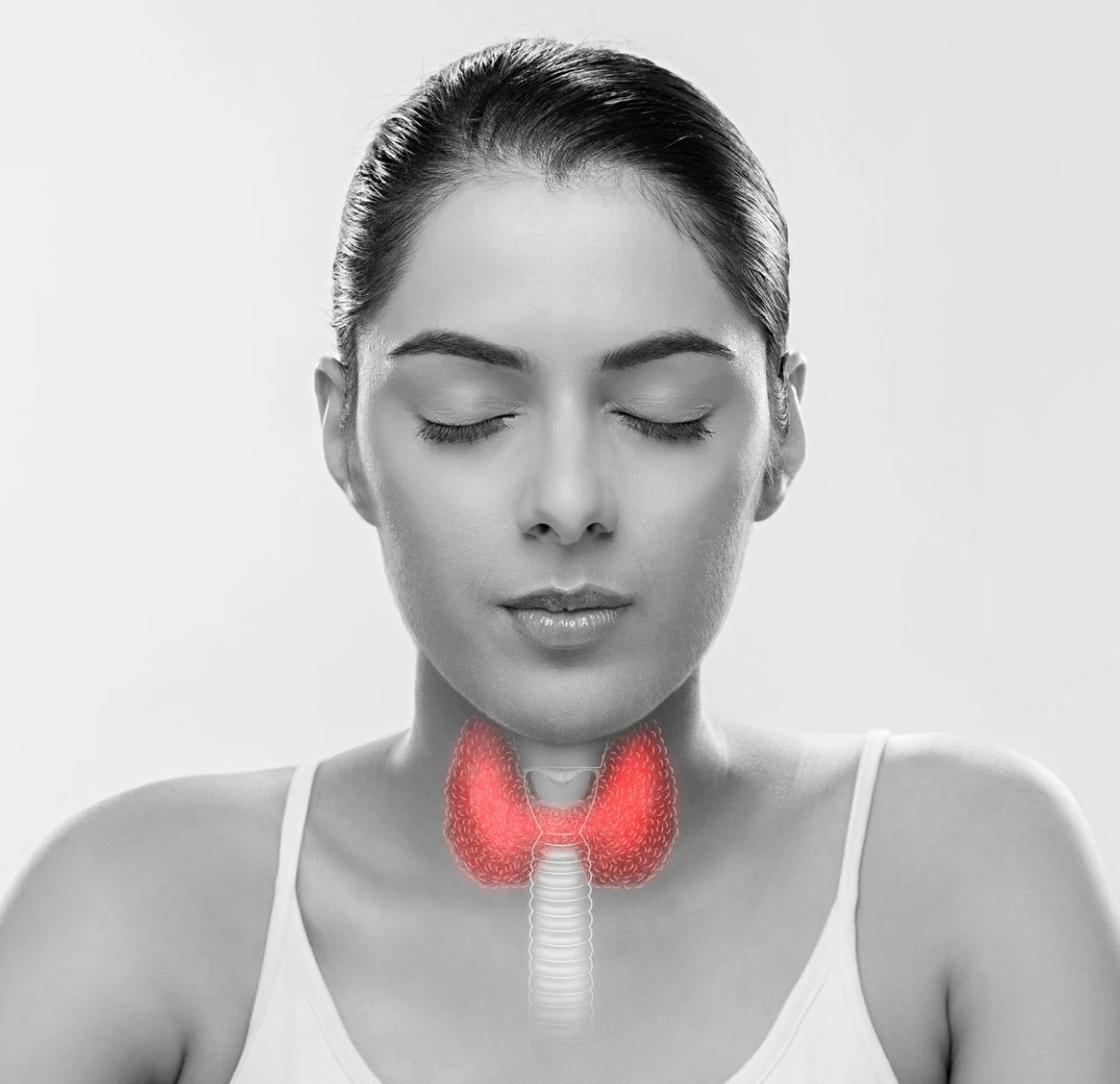
Patients Managing Chronic Conditions: Individuals living with diabetes, hypertension, or thyroid disorders rely on periodic imaging to monitor organ function and treatment progress safely.
Simple preparation steps help ensure your imaging scan goes smoothly and produces clear diagnostic images without repeat visits.
Follow Specific Scan Guidelines: Abdominal ultrasounds or contrast scans may require fasting for several hours or drinking water beforehand to improve internal visibility.
Remove Metallic Objects: Leave jewelry, watches, belts, and hairpins at home, especially before MRI scans where strong magnets are active.
Share Medical History Openly: Tell the radiology team about pregnancy, allergies, kidney conditions or implanted medical devices such as pacemakers before your scan.
Wear Loose Comfortable Clothing: Easy-to-wear outfits simplify scan preparation and help you stay relaxed throughout the imaging procedure.
World Radiography Day honors the life-saving power of medical imaging to spot hidden illnesses early and guide safe recovery. Choosing the best diagnostic centre in Gurgaon gives patients access to modern scanning technology and trusted clinical expertise when accuracy matters most. At Mahajan Imaging & Labs, our caring specialists combine advanced diagnostic imaging with personalized patient support to safeguard your long-term wellness. Schedule your preventive imaging evaluation today to gain clear health insights and lasting peace of mind.