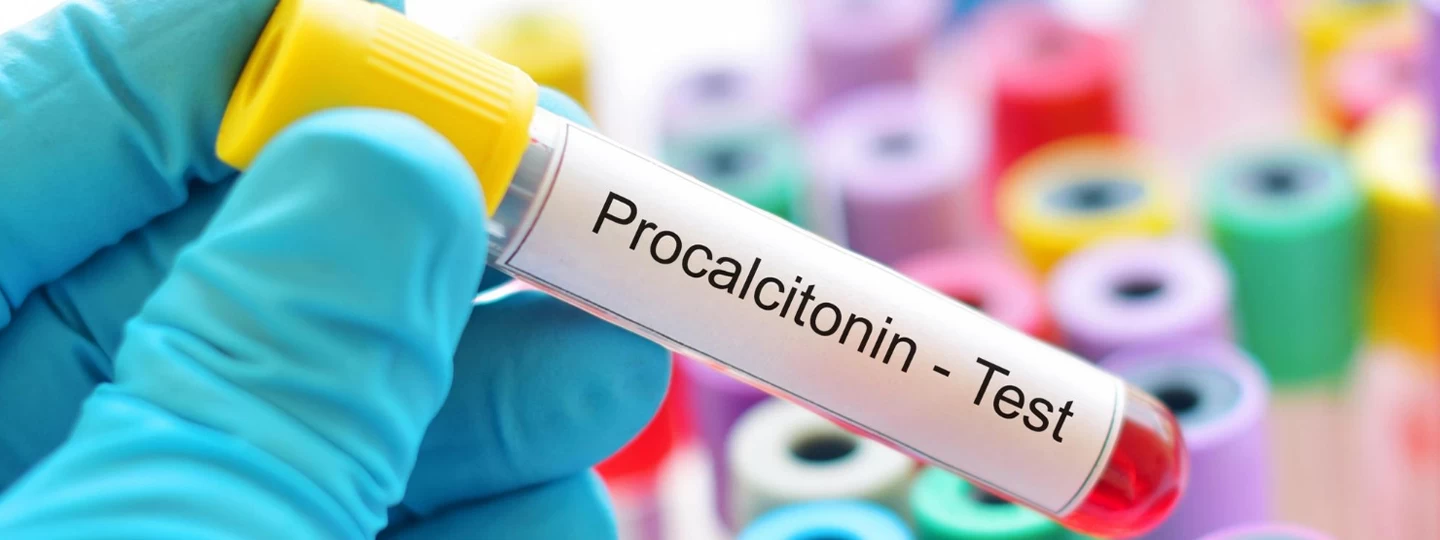
When someone comes in with a high fever and the cause is not yet clear, the clock matters. A viral infection and a bacterial one can look almost identical in the early hours, but they need completely different treatment. Starting antibiotics unnecessarily is not good for your natural gut flora. Delaying them in a true bacterial infection can increase the severity. In such situations, doctors turn to the procalcitonin test. It is a blood-based biomarker test that helps your doctor determine whether a bacterial infection is driving your symptoms and how severe it actually is.
What Makes Procalcitonin a More Targeted Infection Marker?
Most infection markers flag inflammation broadly. PCT goes further by pointing specifically toward bacterial activity, making it more clinically useful in complex cases.
According to StatPearls via NCBI, other inflammatory markers like C-reactive protein lack the specificity to accurately distinguish bacterial from non-bacterial infections. PCT assays have been developed to more accurately determine whether a systemic inflammatory reaction is caused by a bacterial species.
What makes it clinically valuable:
Levels rise within 6 to 12 hours of a bacterial infection taking hold.
Results are available within an hour of blood collection.
Levels fall predictably once treatment starts working.
It actively guides decisions on when to start and stop antibiotics.
What Can Rising PCT Levels Signal About Your Condition?
Higher PCT levels correlate with greater disease severity, particularly in patients with sepsis. When levels rise and stay high, it means the bacterial infection is active throughout the body. When levels fall after treatment, it confirms the infection is responding and gives clinicians a reliable marker to guide how long antibiotics need to continue.
Here’s how high PCT levels help doctors decide the next steps in the treatment:
When to start antibiotic therapy in respiratory and systemic infections.
How well a hospitalised patient is responding to treatment.
Whether complications are developing before they become critical.
Your physician might also suggest a CBC test along with a PCT test. So, when you search for a CBC test near me, book your PCT test at the selected lab. Together, these tests will give your doctor a fuller picture, covering both infection severity and your overall blood health.
Can a PC Test Differentiate Viral and Bacterial Infections?
Yes, and this is where PCT becomes particularly useful. In real clinical settings, telling a bacterial infection apart from a viral one is not always simple from symptoms alone.
Viral infections actively suppress PCT production. This means a low PCT result in a symptomatic patient makes a bacterial cause significantly less likely.
This helps your doctor avoid prescribing antibiotics when they are not needed. It also means the correct treatment can begin sooner.
How Is PCT Testing Applied in Critical Care Settings?
Sepsis is one of the most serious conditions for which PCT testing is used, and it is also where the test has the most clinical backing. The US Food and Drug Administration has approved PCT testing to guide when antibiotics should be started or stopped in lower respiratory tract infections and in patients with sepsis.
One important point your doctor will always consider: PCT is never used alone. It is read alongside your symptoms, the likely source of infection, and other clinical findings before any treatment decision is made.
Get Your Infection Workup Done at Mahajan Imaging & Labs!
An unexplained fever, a persistent illness, or a referral from your doctor are all good enough reasons to get tested without delay. At Mahajan Imaging & Labs, recognised as the best pathology lab in Delhi, you can access PCT testing alongside comprehensive blood panels. Your doctor gets everything they need to make the right call from a single visit.
FAQs
Why is procalcitonin important in detecting infections?
PCT rises during bacterial infections and falls when treatment works. It is a reliable, time-sensitive marker that guides antibiotic decisions accurately.
What is the normal range of procalcitonin levels?
PCT levels in healthy individuals are very low. Anything above the normal threshold points to active bacterial infection, with higher levels indicating greater severity.
What does a high procalcitonin level indicate?
A high PCT level signals an active bacterial infection in the body. Levels that stay elevated mean the infection is not yet responding to treatment.
How does this test help differentiate bacterial versus viral infections?
Viral infections suppress PCT. Bacterial infections raise it. A low result in a symptomatic patient makes bacterial infection much less likely.
Is the procalcitonin test used for sepsis diagnosis?
Yes. PCT is FDA-approved to guide antibiotic use in sepsis. It works alongside clinical findings and is never used as a standalone diagnostic tool.



-1784264830.webp)
-1784177063.webp)
-1784009241.webp)
-1783922228.webp)