Your liver performs hundreds of functions at the same time, such as filtering toxins, processing nutrients, and supporting digestion. But when something goes wrong with this regular functioning or when your liver is under damage, the liver cells release enzymes into the bloodstream. And Serum Glutamic Pyruvic Transaminase (SGPT), also called Alanine Aminotransferase (ALT), is one of those enzymes. This is where your physician first orders a blood test to check for SGPT level when you visit the clinic with symptoms related to liver problems. Read on to understand the normal and high levels of SGPT through a blood test and how it gives insights into your liver health.
How Does the SGPT Test Reflect What Is Happening in Your Liver?
SGPT is an enzyme found predominantly in liver cells. Under normal conditions, it stays within those cells. When the liver is damaged or inflamed, those cells begin to break down and SGPT leaks into the bloodstream. This is why the elevated levels in your blood directly reflect what is happening inside the liver.
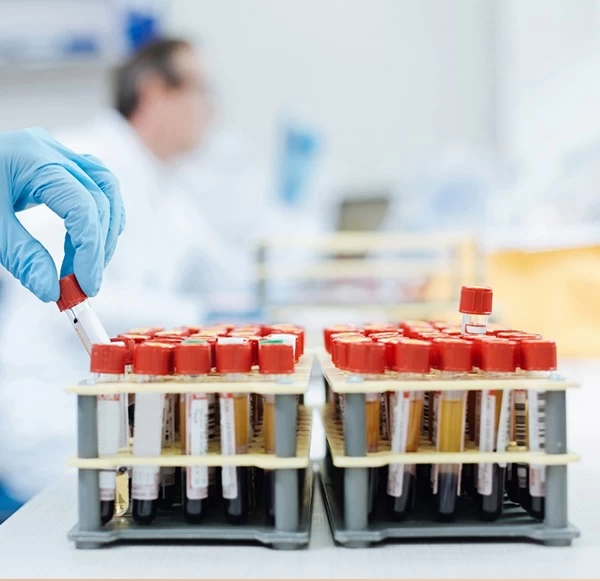
A standard blood draw from a vein in the arm is all the test requires. Most labs recommend fasting for 8 to 12 hours beforehand, particularly if other tests are being run alongside it. Your result gives your doctor two specific clinical signals:
Whether liver cells are currently under active stress
How significant that stress is, based on how elevated the level is
The higher the SGPT reading, the more likely it is that liver cell damage is ongoing. This makes it one of the more sensitive early indicators of liver disease. In fact, the SGPT test price at the most accredited labs is also very affordable, and the turnaround is quick, so you should never delay this test when symptoms are present.
What Pushes SGPT Levels Above the Expected Range?
Several conditions cause liver cells to release SGPT into the bloodstream. Your doctor uses the degree of elevation, not just the presence of it, to assess what may be happening. Common causes of raised SGPT include:
Non-Alcoholic Fatty Liver Disease (NAFLD): Fat accumulates in liver cells and causes cell stress.
Alcoholic Liver Disease: The result of chronic or heavy alcohol consumption over time.
Viral Hepatitis A, B, and C: These directly inflame liver tissue and cause cell damage.
Certain Medications: Statins, painkillers, and antituberculosis drugs are known to raise SGPT.
Autoimmune Hepatitis: The immune system attacks its own liver tissue.
Cirrhosis: Advanced liver scarring that disrupts normal cell function.
Obesity and Metabolic Syndrome: Sustained metabolic pressure on the liver over time.
The liver test price for a panel that includes SGPT alongside other liver enzymes gives your doctor a much more complete picture than a single marker alone.
What Physical Signs Demand You to Get Tested for SGPT Levels?
High SGPT levels mostly occur without any obvious symptoms in the early stages. By the time signs do appear, the liver has usually been under stress for some time already. So you should always keep an eye on the following signs:
Continuous tiredness with no clear explanation
Yellowing of the skin or the whites of the eyes (jaundice)
Nausea, vomiting, or a reduced appetite
A dull ache or discomfort in the upper right abdomen
Dark-coloured urine or unusually pale stools
Unexplained swelling in the abdomen
Never look at the cost of any tests, as the SGPT test price is a small cost relative to what early detection can change clinically.
Why Is SGPT Mostly Ordered With Other Tests?
SGPT is one piece of a broader clinical picture. A single elevated marker tells your doctor that something is off. A full liver panel tells them what and how severely.
A standard liver function test (LFT) panel mainly include the following:
SGOT (AST): Another liver enzyme that rises alongside SGPT in most cases.
ALP (Alkaline Phosphatase): Reflects the health of your bile ducts.
Bilirubin: Shows how well your liver is processing waste products.
Albumin: Reflects your liver's ability to produce essential proteins.
The ratio between SGPT and SGOT also helps your physician to check if the problem is occurring due to the liver or involves other organs.
Plan Your Liver Health Workup at Mahajan Imaging & Labs!
The higher levels of SGPT caught early give your doctor the time needed to investigate before major damage occurs. At Mahajan Imaging & Labs, our blood test packages include comprehensive liver function panels covering SGPT, SGOT, ALP, bilirubin, and albumin, all from a single visit. Your physician gets a complete baseline to work from without the need for repeated trips.
FAQs
What is the SGPT (ALT) blood test?
SGPT measures alanine aminotransferase in your blood. A raised level indicates liver cell damage or stress and prompts further clinical investigation.
What is the normal range of SGPT levels?
Normal SGPT ranges vary slightly between laboratories. Your doctor reads your result alongside your symptoms, history, and other liver markers rather than the number alone.
What causes high SGPT levels?
Fatty liver disease, viral hepatitis, alcohol-related liver damage, certain medications, autoimmune hepatitis, and obesity are the most common reasons SGPT rises above normal.
What symptoms are linked to elevated SGPT?
Fatigue, jaundice, nausea, upper abdominal discomfort, dark urine, and loss of appetite are the most commonly reported symptoms when SGPT levels are significantly elevated.
Can fatty liver increase SGPT levels?
Yes. Non-alcoholic fatty liver disease is one of the leading causes of raised SGPT, particularly in people with obesity, diabetes, or metabolic syndrome.


-1784264830.webp)
-1784177063.webp)
-1784009241.webp)
-1783922228.webp)