The first step in achieving lifelong health is to learn to heed your body's messages by understanding the unsaid cues it has to offer – some will be subtle, others will be louder (less so in terms of what you see). Quite often, by taking a simple urine test, a lot can be determined about the inner workings of one's health and/or disease state, long before overt clinical symptoms appear. To help you meet your health aspirations, Mahajan Imaging & Labs offers easy access to the appropriate tests for your health needs, from specialized urine culture tests to complete blood test packages – all of which can be ordered on the web, in only a few minutes time with a click of your mouse to ensure your values are considered normal.
The Urine Bilirubin Test: This test can help identify problems with the liver and gallbladder. Although there has been a tendency to focus on blood tests/lab work to identify potential liver problems, urine can sometimes give an early indication that the liver may be stressed and/or overwhelmed, leading to a blockage in the bile ducts. This website blog will explain what the normal urinary bilirubin levels should be, what it means if your urine has bilirubin in it that is beyond the normal range, and why this test is often recommended in preventative medicine.
What is a Bilirubin in a Urine Test?
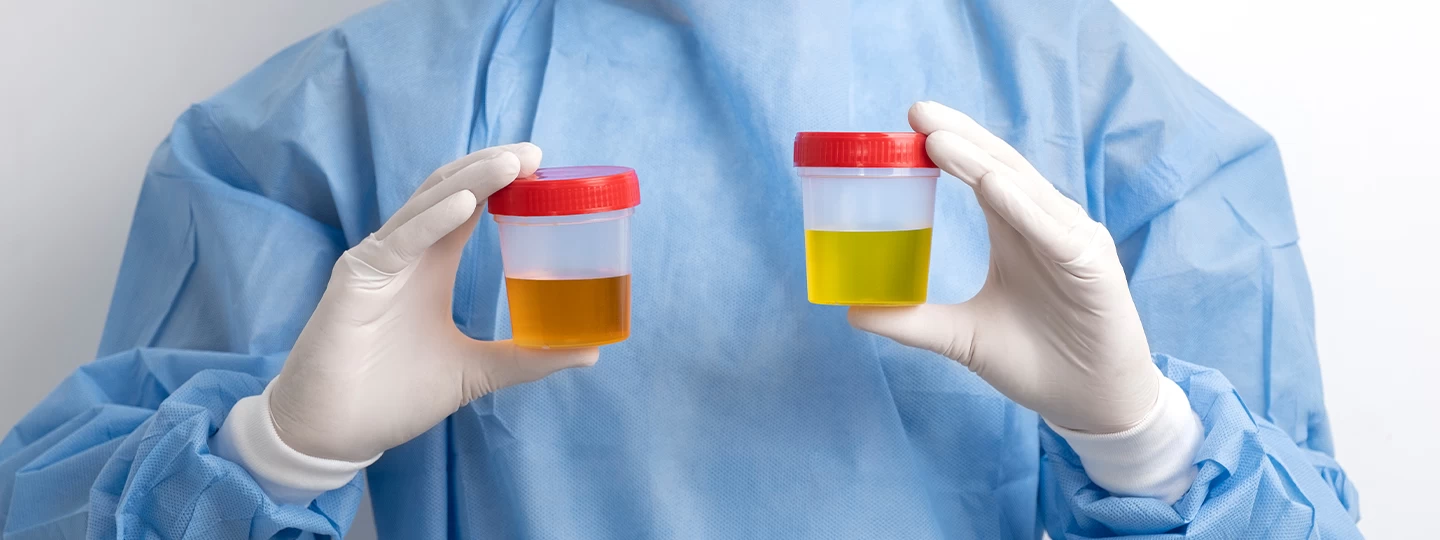
A bilirubin in urine culture test is a commonly performed chemical urinalysis to determine if bilirubin is present in your urine. Bilirubin is a yellowish-colored substance that forms as old red blood cells break down naturally.
When blood cells die, they create bilirubin, which goes to the liver where it can help to make bile, a liquid that helps to digest fats in the intestine. Most of it ends up in your stool, which is why stool is usually brown. The normal healthy urine is expected to not contain any bilirubin. Having bilirubin in your urine (bilirubinuria) is usually an indication of some type of liver problem.
The Normal Range: What Should You Expect?
If a full body blood test package shows normal results in a clinical laboratory, it would be classified as negative for this test. A healthy person should ideally have little or no conjugated bilirubin filtering through their kidneys into their bladder, as the liver filters this substance from the blood and excretes it into the digestive system.
Bilirubin will normally be created by the liver and secreted into your digestive tract; hence, it should not usually be present in your urine, and its presence would be abnormal or indicative of an impending health problem. When the liver is inflamed or the bile ducts are obstructed, conjugated bilirubin backs up into the blood and is excreted through the kidneys. As a general indicator of the concentration of the pigment in the specimen, the more the number of plus signs ($1+$ to $3+$) assigned to a clinical bilirubin test by book lab test online, the higher the concentration of bilirubin in the urine than the clinical bilirubin test.
Why Your Doctor May Order This Test
A test for bilirubin may be ordered by healthcare providers for different reasons: during a routine physical exam, if a patient is at-risk for liver damage (or during treatment for liver disease), etc. Early detection of bilirubin is critical because it appears in someone's urine before liver dysfunction (e.g., jaundice yellow eyes & skin).
Common Symptoms Warranting a Bilirubin Test:
High-Risk Factors Warranting Regular Bilirubin Screening:
Understanding Abnormal Results: What Do They Mean?
The presence of bilirubin in your blood may indicate that the substance is "leaking" out of blood vessels and being filtered out of the body through your kidneys. The two primary reasons this could occur include:
Liver Disease: Conditions such as hepatitis (viral or autoimmune), cirrhosis (scarring of the liver), or toxic liver injury (caused by drugs or alcohol) can inhibit the liver’s ability to process bilirubin properly.
Bile Duct Obstruction: When bile ducts (the small tubes that transport bile from the liver to the gallbladder/intestine) become blocked due to gallstones, tumors, or inflammation, the bile can build up, leak into your blood, and enter your urine.
Note: The presence of bilirubin in your blood is very rarely used as a stand-alone diagnostic test, and an additional liver panel (the group of tests measuring enzymes/proteins found in the liver) is often ordered afterward to help determine the exact cause of the elevated levels.
Take Charge of Your Vitals with Mahajan Imaging & Labs
Your health is your greatest asset, and the best way to preserve it is by keeping healthy and preventing future problems with that asset! At Mahajan Imaging & Labs, we are committed to providing our patients with a top-notch quality of care through an amazing diagnostic experience.
If you're looking for help diagnosing a specific infection (such as a urine culture) or would just like a complete picture of your overall health (such as a full blood panel), our highly trained staff will assist you with both.
You don't want to wait until the symptoms of a health issue have presented themselves to see your doctor! You can conveniently make your lab appointment(s) online now. You will receive exceptional service and results in a timely manner when working with Mahajan Imaging & Labs!


-1784264830.webp)
-1784177063.webp)
-1784009241.webp)
-1783922228.webp)