- Email Us
Connect With Us



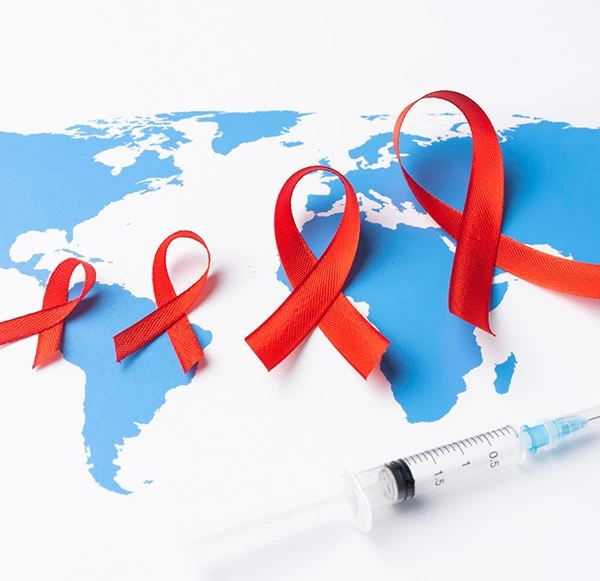
Every year on December 1, World AIDS Day serves as a reminder that HIV still affects millions across the world. Almost 39.9 million people are living with HIV, according to the HIV HEALTH & WELLNESS survey. Also, around 1.3 million acquired the infection in 2023 alone. An estimated 630,000 people died from HIV-related causes in the same year. These numbers highlight a central problem: late diagnosis. Many people still do not know their HIV status, and without testing, treatment cannot start.
Early diagnosis reduces complications, improves survival, and prevents transmission. That is why diagnostic awareness matters every day, not only on World AIDS Day. You now even have the option to book lab test online and get a complete picture of your inner health. Continue reading to learn how early detection can save millions from this deadly viral infection.
HIV can remain silent for years. People often feel healthy and assume they are safe, which delays testing. Stigma, fear of results, and lack of awareness also keep many away from screening. Yet, HIV is now a medically manageable chronic condition when detected early. Modern antiretroviral therapy (ART) controls the virus, protects immunity, and prevents severe illness. But this benefit is only possible when testing happens on time.
Early diagnosis of HIV directly changes the course of the infection. Timely testing allows your doctor to begin ART before the immune system weakens. It will help you in the following ways:
A strong and stable CD4 count
Lower chances of opportunistic infections
Slower disease progression
Better long-term health
Improved life expectancy
The physician might also suggest a viral marker test to combine HIV with a hepatitis test. This will help them check if you have been exposed to any other virus that may require immediate medical attention.
Yes. This is one of the most important reasons to know your HIV status. When treatment starts early and is taken consistently, the viral load becomes “undetectable.” At this stage, the risk of sexual transmission becomes extremely low. This is known as U=U (Undetectable = Untransmittable).
For partners, families, and communities, early testing prevents further spread. Early diagnosis also helps identify people who may benefit from preventive tools such as PrEP (pre-exposure prophylaxis) and safe-practice counselling.
Screening has become more convenient than ever. You can complete your next HIV test by following these options:
Online booking
Blood collection from home services
Visit the best nearby lab and complete the full check up without delay
This ease of access removes barriers that once stopped people from getting tested. It supports early screening for HIV and other infections that may occur silently. You can even choose from a full body check up tests list to get the complete clarity of your health. While hepatitis B and C are often included in preventive panels, they remain secondary in focus compared to HIV during World AIDS Day.
A structured screening panel helps identify hidden issues early. Testing for HIV often sits alongside other essential markers to provide a broader understanding of internal health. Useful components include:
HIV Test
Complete Blood Count (CBC)
Liver and Kidney Function Tests
Blood Sugar Levels
Lipid Profile
These tests show how well your body is coping internally and reveal concerns that can influence your overall health. Adding hepatitis B and C screening is helpful when recommended by a doctor, but HIV remains the priority during awareness initiatives.
Testing should not be limited to emergencies. It is recommended that you feel one or more of the following symptoms:
Persistent fatigue
Unexplained weight changes
Recurrent infections
Concerns due to sexual exposure
Planning pregnancy
Have not tested for anything in over a year
A predictable screening habit keeps health stable and reduces risk:
Plan a yearly screening cycle based on age and lifestyle
Include an HIV test during routine check-ups
Store past reports to notice patterns
Ask a doctor about repeat testing if exposure risk is present
Use home collection services for convenience and privacy
Consistent testing ensures you never miss early signs that can impact long-term health.
World AIDS Day is not just a symbolic date. It is a reminder that millions still remain untested, untreated, and unaware. The tools exist, the treatments work, and the diagnosis saves lives. Testing helps close the gap between those who need care and those who receive it.
You do not need to wait for symptoms to protect your health. At Mahajan Imaging & Labs, you can choose from a full body check up tests list and access reliable screening panels that include HIV testing. Book your next HIV screening at our centre today!
Also read: How Soon Can HIV Be Detected by a Blood Test? Know the Window Period
FAQs
1. Why is late diagnosis of HIV considered a "central problem"?
Late diagnosis is one of the main issues as quite a number of people do not know their HIV status and as a result, they do not receive the treatment that is needed on time. Consequently, this results in complications, death, and the spread of the virus.
2. What is the significance of "U=U" (Undetectable = Untransmittable)?
U=U means that when HIV treatment (Antiretroviral Therapy or ART) is followed regularly, the viral load is lowered to the point that it is "undetectable," hence it is safe to say that the risk of sexually transmitting the virus is very close to zero. This is a very important point why getting tested and starting the treatment early is the first thing to do.
3. What makes HIV testing easier and more convenient today?
Testing for HIV is now made easy in a way that one can book an appointment online, get blood collected from the comfort of his/her home, and go to a nearby lab for a full check-up. Such accessibility has been the main tool in breaking down the walls that were preventing testing.
-1772774126.webp)